22 Civil Society Organizations & Experts Raise Questions About OpenAI’s Entry into Greek Schools
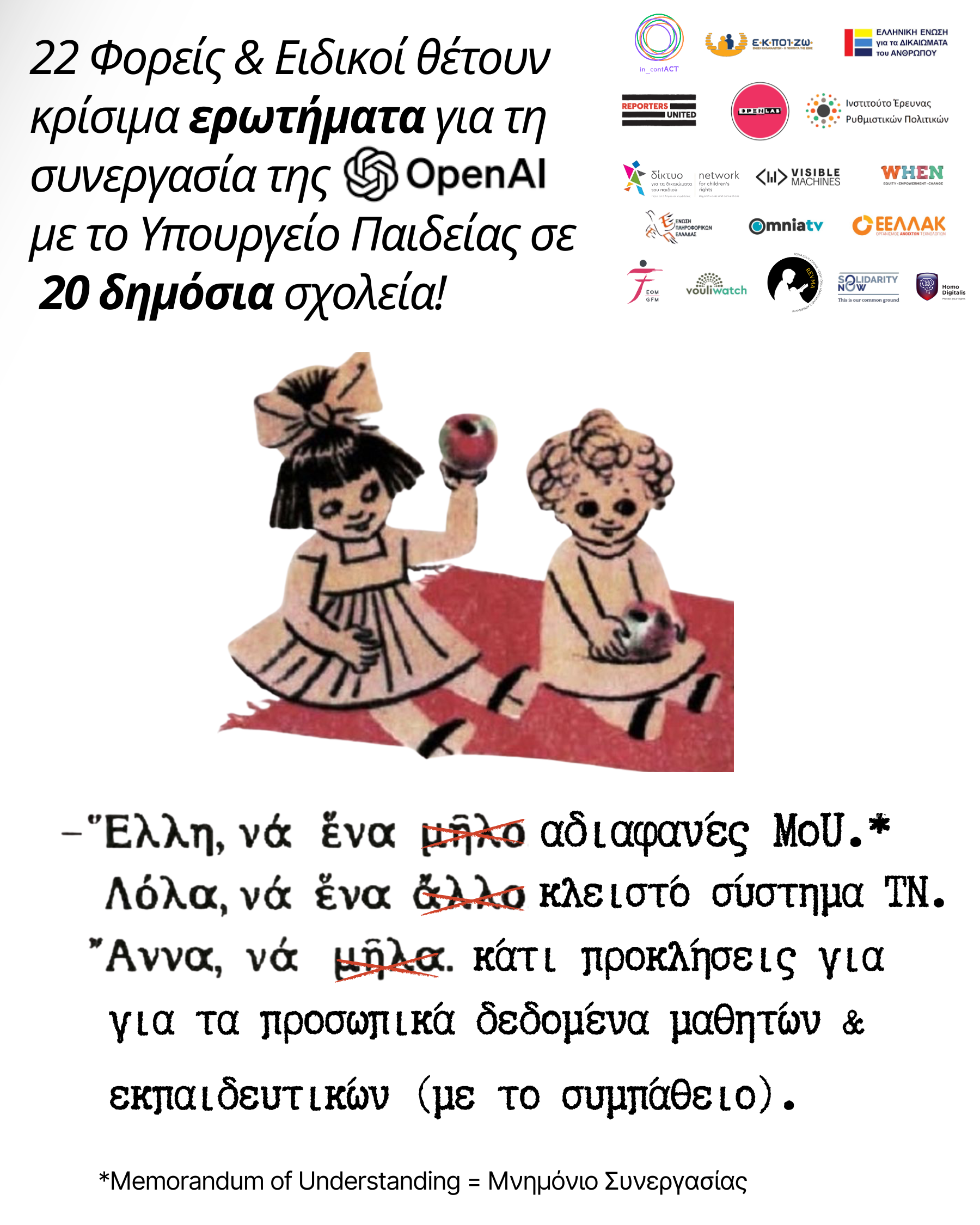
Today, Monday, March 30, through an Open Letter addressed to the Minister of Education, Religious Affairs and Sports, Ms. Sofia Zacharaki, 22 civil society organizations and experts, including Homo Digitalis, requested official information regarding OpenAI’s programs “AI for Greece” and “Education for Countries” in Greece.
As we note, in September 2025 the Ministry announced the signing of a memorandum of cooperation with OpenAI במסגרת the “AI for Greece” program, without any prior open and transparent consultation with educators, students, parents, or relevant civil society organizations.
Moreover, the Ministry silently refused to respond to a formal request for access to relevant documents submitted by Homo Digitalis, despite the fact that it concerned critical issues such as the protection of students’ and teachers’ personal data in the use of ChatGPT Edu in public schools.
According to available information, the program is being piloted in 20 public secondary education schools and is unfolding in three stages. The first stage involves teacher training (October 2025 – November 2025), the second the use of AI tools by teachers themselves (December 2025 – February 2026), and finally the third the introduction of AI tools into the learning process and their use by students (March – June 2026).
In recent weeks, OpenAI has been at the center of international attention due to its cooperation with the U.S. Department of Defense, raising questions about the potential uses of its technologies beyond U.S. borders, particularly given the lack of clear positioning on issues such as the collection of data from citizens of third countries for surveillance purposes.
At the same time, while discussions at the European Union level intensify around digital sovereignty in the era of artificial intelligence—favoring transparent, auditable, and independent solutions—Greece appears to be moving in the opposite direction. The choice of closed, commercial systems by technology companies such as OpenAI in sensitive sectors like education raises further concerns.
In our open letter, we outline a landscape with more questions than answers regarding the introduction of artificial intelligence into Greek schools. We call for clarification on how the two OpenAI programs in Greece are interconnected, which schools are participating and based on what criteria they were selected, and whether this choice promotes equality or risks exacerbating existing inequalities.
At the same time, we highlight the need to clarify what the use of ChatGPT Edu in the classroom means in practice and whether alternative, transparent, and auditable solutions based on the principles of free and open-source software were considered.
Finally, the issue of personal data protection remains central, as we pose critical questions to the Minister regarding what data is being collected, the purposes of its processing, and the private entities managing it.
You can read the full text of the letter here (EL).

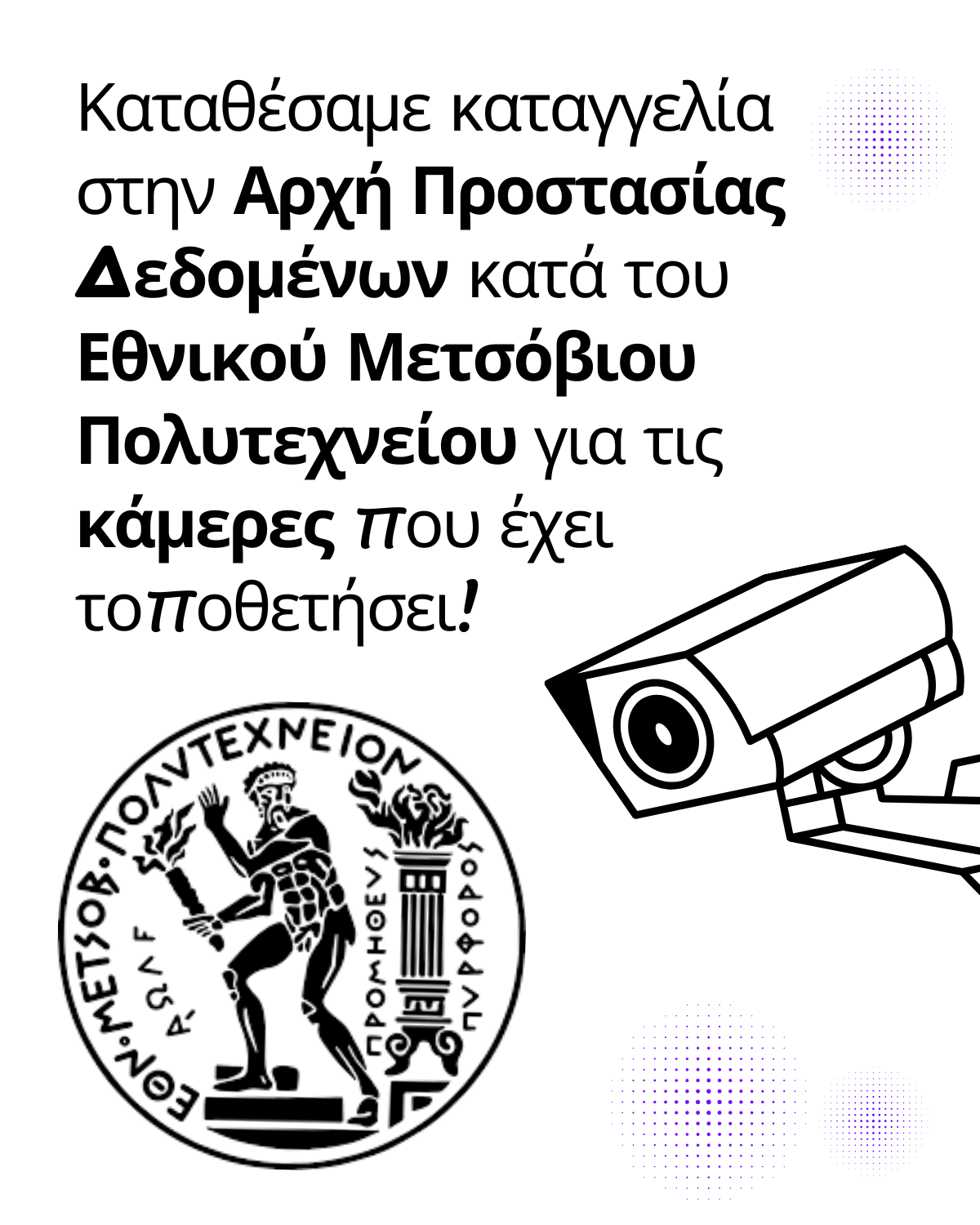
We filed a complaint against the National Technical University of Athens over the use of cameras!
The National Technical University of Athens features the mythical hero Prometheus in its logo, symbolizing forethought and prudence before action. However, in the case of the cameras, it appears that the institution itself did not demonstrate the foresight that Prometheus represents.
Specifically, noting that there does not appear to be a legal basis allowing the university to operate cameras, and given that the institution itself does not clearly specify in its Data Protection Policy which legal basis it relies on, we submitted an access request on January 13 in order to obtain the answers we are entitled to receive.
The deadline to receive a response passed, and despite our polite reminder, no one responded to our request. Therefore, yesterday we proceeded to file a complaint before the Hellenic Data Protection Authority. You can read more in our Press Release here.
The complaint follows joint actions with the organizations Reporters United and Vouliwatch, within the framework of which a joint request had already been submitted, since September 2025, before the HDPA for the exercise of its investigative powers.
In fact, following a related journalistic report that highlighted these actions in December 2025, the National Technical University of Athens sent an extrajudicial notice to journalist Dafni Karavola of Reporters United in February 2026. You can read more at the new report by Reporters United here.
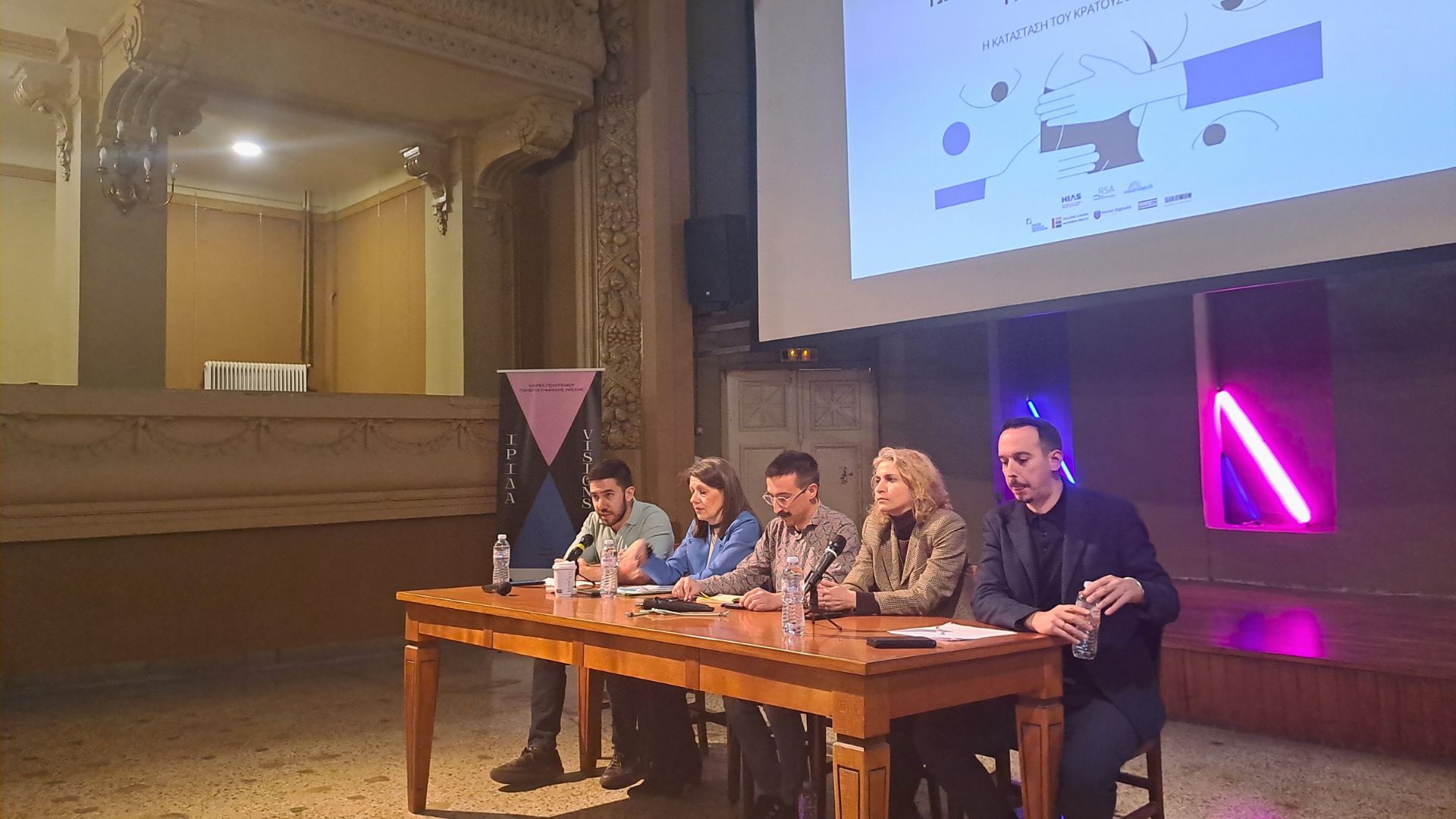
Press Conference on Our Joint Report on the State of the Rule of Law in Greece
On Wednesday, 11 February, a press conference on the current state of the Rule of Law in Greece was successfully held with significant attendance at the Irida Cinema Theatre. The event was organised by the independent organisations HIAS Greece, Refugee Support Aegean (RSA), Vouliwatch, the Greek Council for Refugees (GCR), the Hellenic League for Human Rights (HLHR), Homo Digitalis, Reporters United and Solomon.
You may watch the press conference here.
We would like to warmly thank omniatv for the organisation and online hosting of the press conference, as well as the Photography Department of POFPA for hosting the event at the Irida Cinema Theatre.
Representatives of the participating organisations presented the key findings of the joint submission that we submitted for the fourth consecutive year to the European Commission on the Rule of Law in Greece in 2025, as part of the Commission’s annual monitoring of national systems.
We underlined the now urgent need to address the longstanding rule of law concerns in Greece. The issues documented in the report are interconnected and have nefarious effects on an array of facets of the rule of law, from justice, law-making and transparency rules to press freedom, civil society and data protection.
Our organisations have submitted this report to the European Commission and thoroughly document the pervasive, interconnected issues and deficiencies within Greek institutions as we experience them in our daily work and reality. We will continue to defend the Rule of Law in Greece. We expect no less from the institutions tasked with safeguarding it.
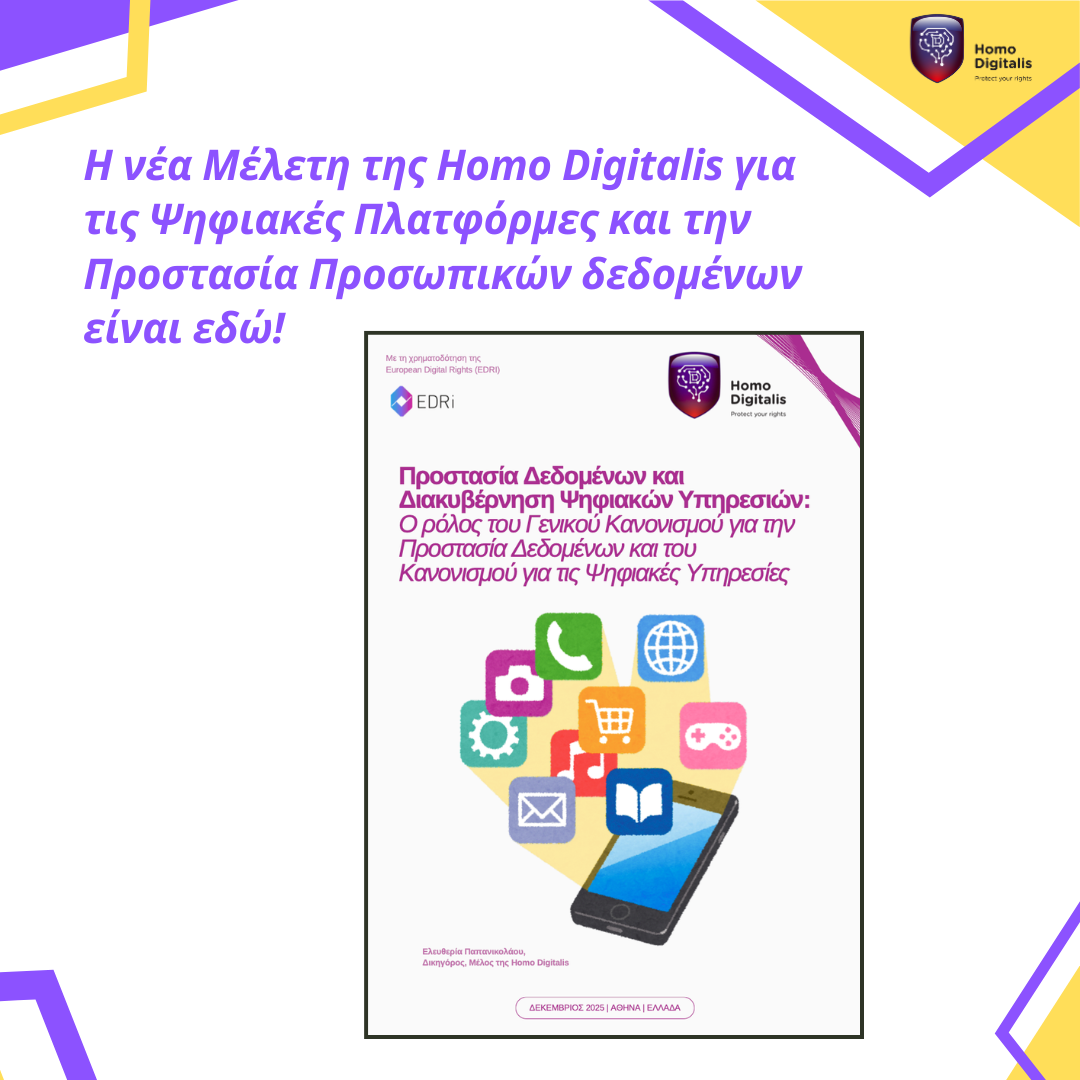
Homo Digitalis published its new Report on GDPR & DSA
This study examines two key pillars of European digital law: the General Data Protection Regulation (GDPR) and the Digital Services Act (DSA).
In simple terms, the GDPR sets the rules for how our personal data is collected and used, placing emphasis on transparency, lawfulness, and the rights of individuals. At the same time, the DSA regulates how digital platforms (such as social media) operate, introducing obligations aimed at greater transparency, safety, and accountability.
The study highlights how these two legal frameworks interact in practice and how they affect critical aspects of our everyday online lives, such as targeted advertising, user profiling, and the protection of minors.
The analysis shows that, although the GDPR and the DSA have different roles, they operate in a complementary way. The GDPR establishes the basic limits for the use of personal data, while the DSA introduces additional obligations for platforms, effectively strengthening user protection in practice.
Their interaction is particularly evident in areas such as targeted advertising and the protection of minors, where European law becomes both stricter and more substantive.
Overall, these two frameworks contribute to creating a safer, more transparent, and more accountable digital environment. However, their effectiveness will depend on their consistent implementation and on the cooperation between competent authorities, in order to strike the right balance between innovation and the protection of individuals’ rights.
The full study is available here (in EL).
The author of the study is Eleftheria Papanikolaou, Lawyer and Member of Homo Digitalis.
The study was conducted with the support of European Digital Rights (EDRi).
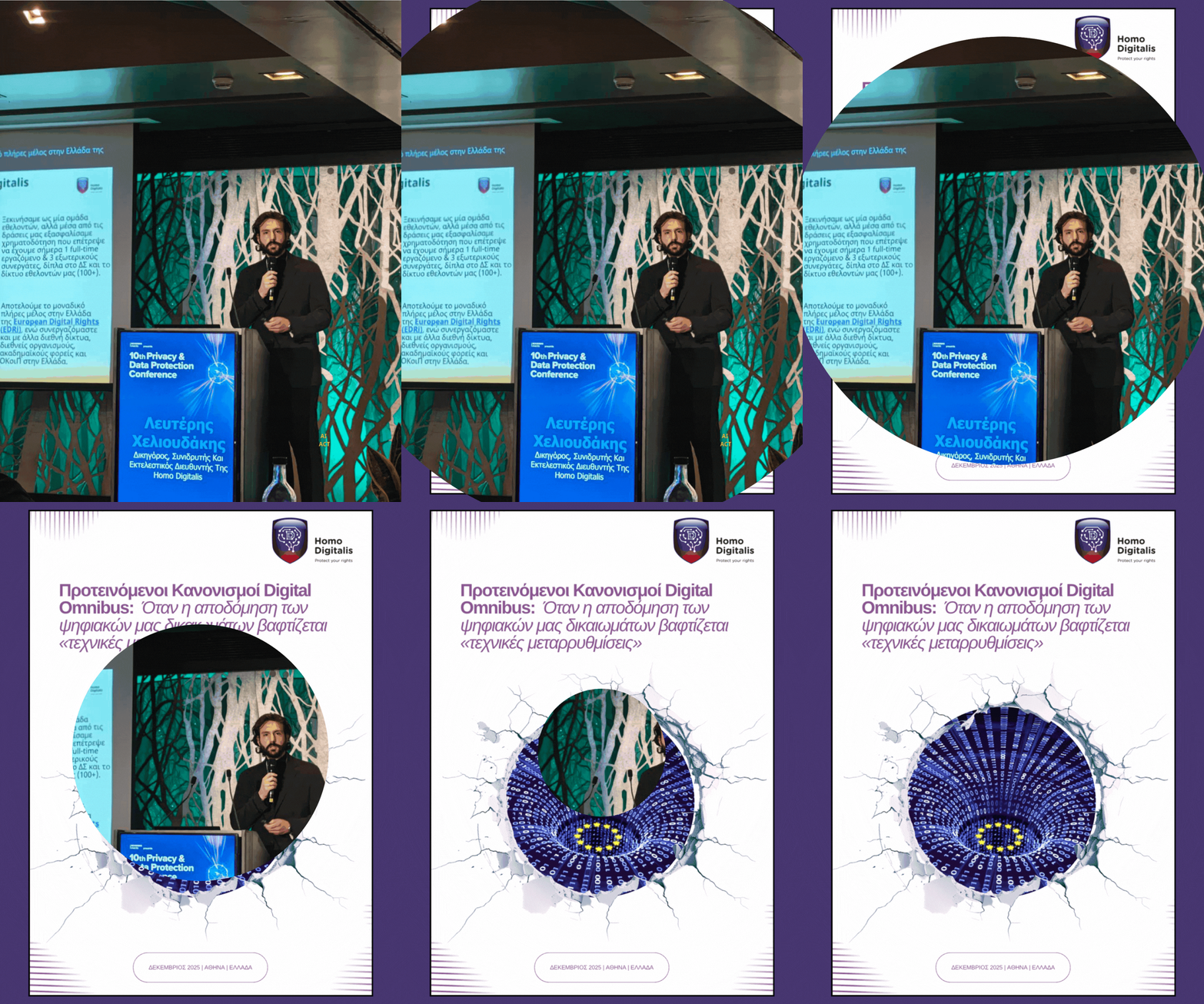
We presented our Study on the Digital Omnibus package at the Privacy & Data Protection Conference
Last Friday, Homo Digitalis was invited to the Privacy & Data Protection Conference, organized by BOUSSIAS.
There, our Executive Director, Eleftherios Chelioudakis, presented our Study on the Digital Omnibus reform packages, highlighting the challenges that the proposed changes pose to our rights in the contemporary digital era.
You can read our Study here.
We would like to warmly thank the conference organizers, and especially Alexandra Varla, for the very honorable invitation. Congratulations as well to all the speakers for their insightful contributions.
.
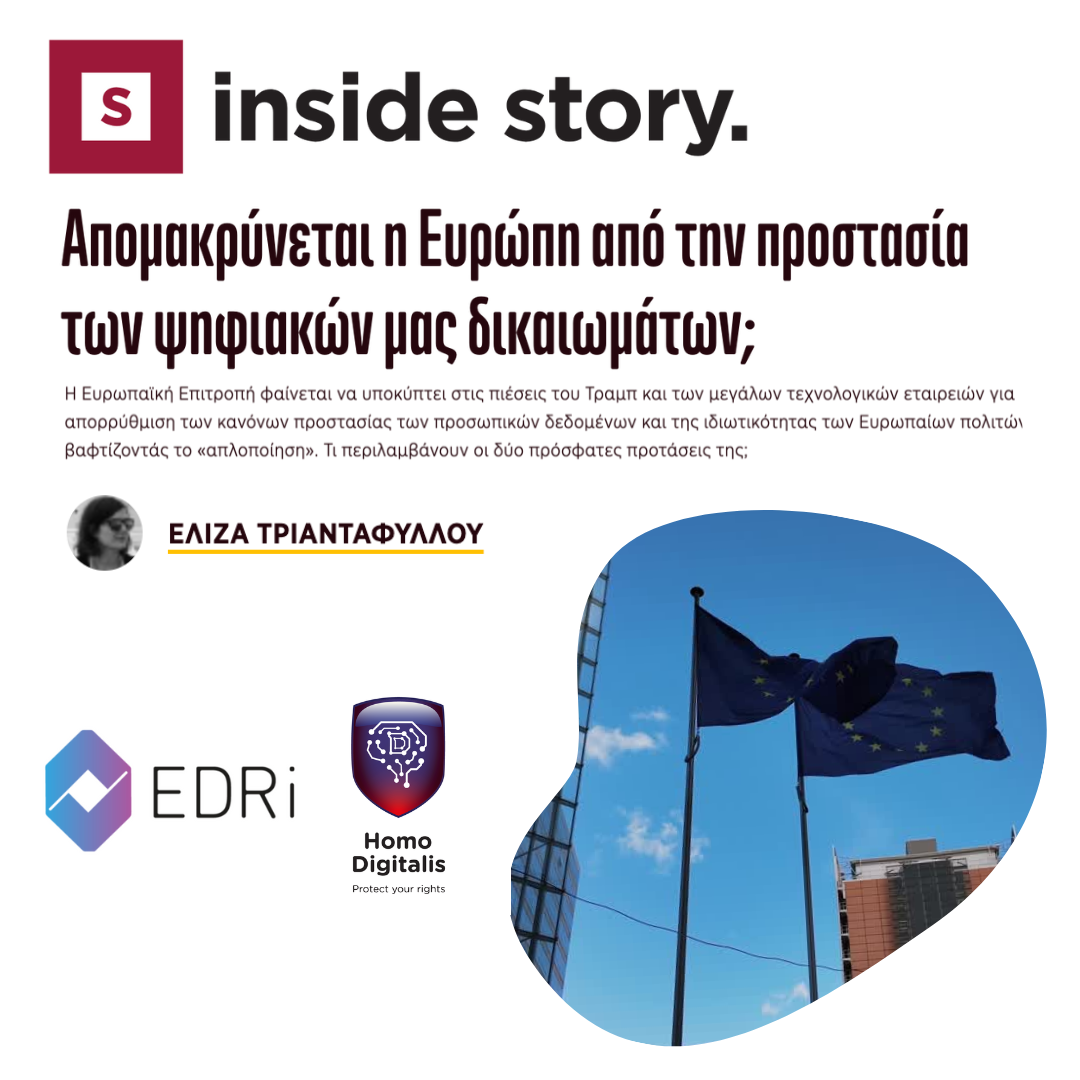
Homo Digitalis & EDRi speak to inside story on the proposed Digital Omnibus regulations
Ιs Europe moving away from the protection of our digital rights?
inside story. and journalist Eliza Triantafyllou published an in-depth article on Monday, December 1, examining the European Commission’s Digital Omnibus proposals. European Digital Rights (EDRi) and Homo Digitalis had the honor of contributing comments and arguments, represented by their members Blue Duangdjai Tiyavorabun, Ella Jakubowska (she/her), Itxaso Domínguez de Olazábal, PhD, and Eleftherios Chelioudakis.
Is the EU giving in to pressure from Trump and major technology companies to deregulate rules protecting Europeans’ personal data and privacy, rebranding it as “simplification”? What exactly do the two recent proposals include? Read the article here.
We warmly thank the journalist for her interest in our arguments.
We successfuly concluded our pre-litigation project with DFF on electronic communications metadata retention
We are excited to announce that Homo Digitalis has successfully concluded its pre-litigation project on the mass surveillance of electronic communications metadata in Greece, funded by the Digital Freedom Fund (DFF).
With the support of this grant, we carried out extensive legal and institutional research into Greece’s data-retention and surveillance framework. This included an in-depth analysis of Law 3917/2011 and a thorough assessment of all potential legal avenues to challenge the existing regime. As part of the project, we developed the legal arguments, collected evidence, and built the strategic foundation required for future litigation.
This project is a crucial step toward protecting the privacy and digital rights of over 14 million people in Greece. With the pre-litigation groundwork complete, we are now preparing the next phase: strategic litigation and advocacy efforts!
We thank the Digital Freedom Fund for their support and for standing with organisations fighting to uphold democratic freedoms across Europe. Read our papers and learn more on a piece prepared by Thomas Vink here
.
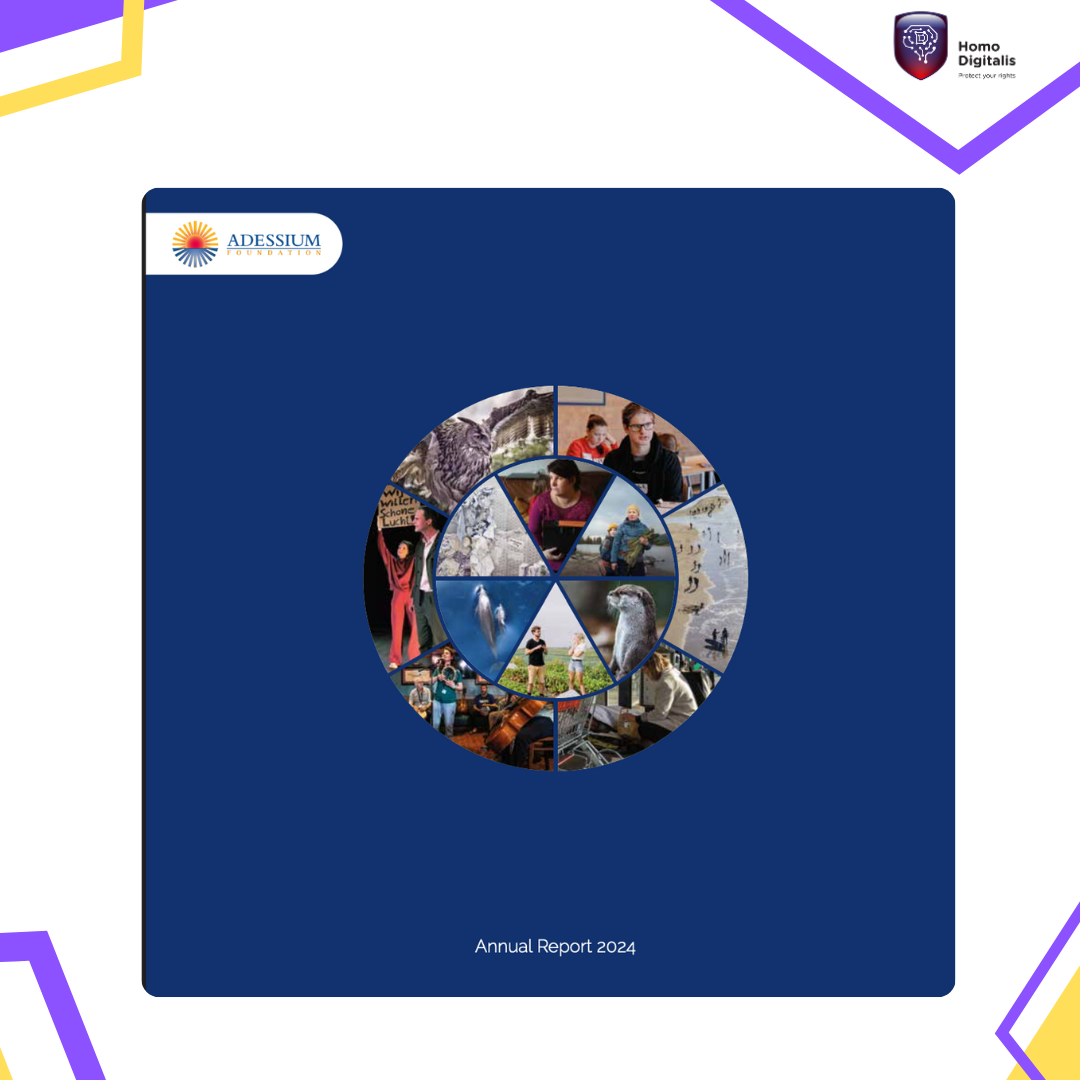
Homo Digitalis is featured in Adessium's Annual Report for 2024
Adessium supports the European AI & Society Fund (EAISF), a pooled fund dedicated to achieving responsible AI policies and applications. The fund works on legislation for artificial intelligence, monitors its social impact and reports potential risks, such as unjust consequences for citizens and environmental damage due to technology.
In this context, Homo Digitalis alongside European Digital Rights were featured in the 2024 Annual Report, highlighting our key achievements and ongoing work made possible through the support of EAISF. The report includes quotes from Claire Fernandez and Eleftherios Chelioudakis.
We warmly thank EAISF and Adessium for the opportunity to showcase our impactful work in the field of border management and law enforcement, as well as for their continuous support in safeguarding human rights in the digital age!
Read their full annual report and the important work they support here.